

This Heritage Appraisals Michigan guide explores the most common painting media used in creating artwork throughout history. Focusing on visual and tactile identification, it provides a quick reference for recognizing these mediums through both observation and touch.
Artists have utilized various painting techniques over centuries, each possessing unique physical qualities. Correctly identifying these media, from encaustic and tempera to oil and acrylic, not only enhances appreciation but also aids in art conservation and proper restoration techniques. This article provides the visual clues and surface textures that enable you to identify authenticated artwork and determine its historical context
Ancient Painting Mediums
Encaustic
- Visual Identification: Glossy finish, rich texture, and distinct surface cracks.
- Tactile Identification: Waxy surface with slight softness, melting sensation upon heat application.
Fresco
- Visual Identification: Matte finish, vibrant colors, and a smooth, plaster-like appearance.
- Tactile Identification: Cool and slightly porous to the touch.
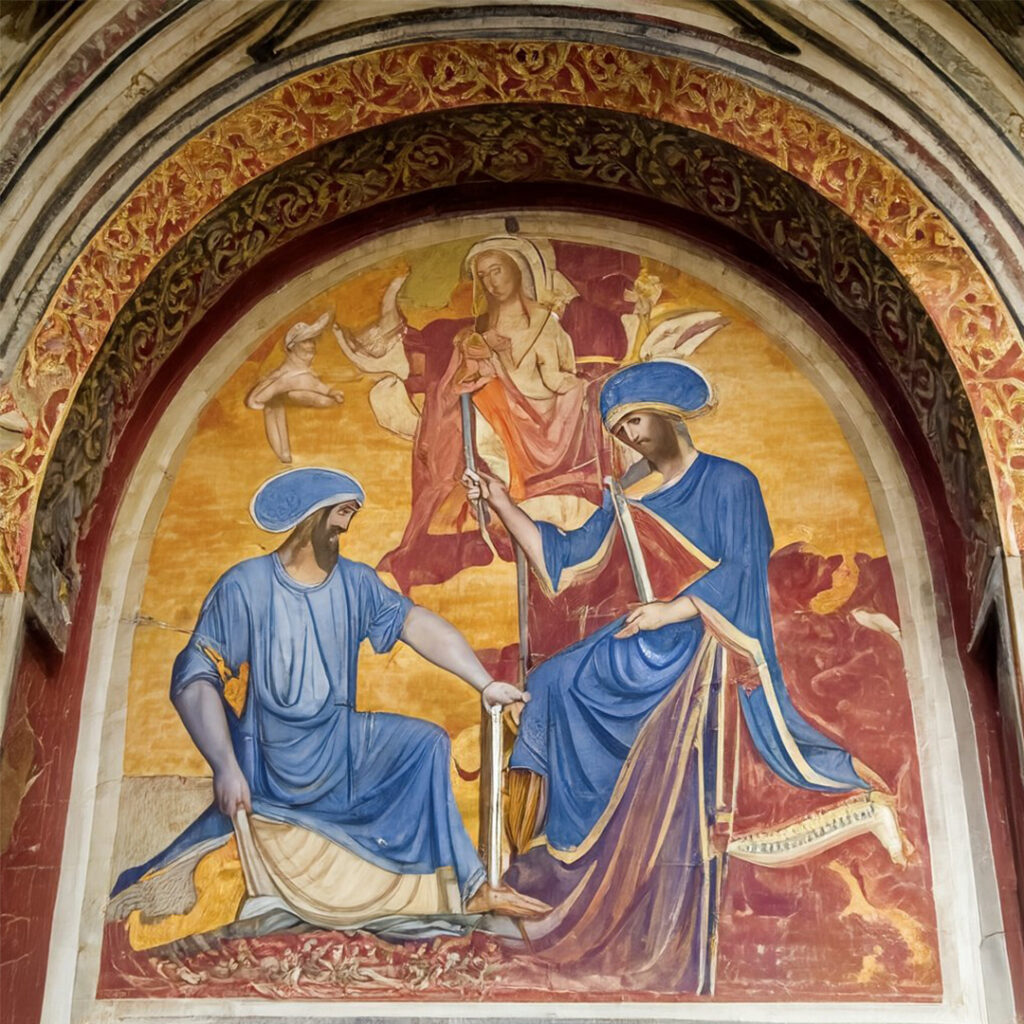
Medieval and Renaissance Painting Mediums
Tempera
- Visual Identification: Smooth surface, subtle brushstrokes, and a matte finish.
- Tactile Identification: Dry and slightly grainy surface texture.
Oil
- Visual Identification: Varied finishes; from glossy, highly vibrant colors to subdued and aged appearance.
- Tactile Identification: Slightly oily to the touch; may leave a residue on fingers.
Modern Painting Mediums
Oil
- Similar to above
- Visual Identification: Varied finishes; from glossy, highly vibrant colors to subdued and aged appearance.
- Tactile Identification: Slightly oily to the touch; may leave a residue on fingers.
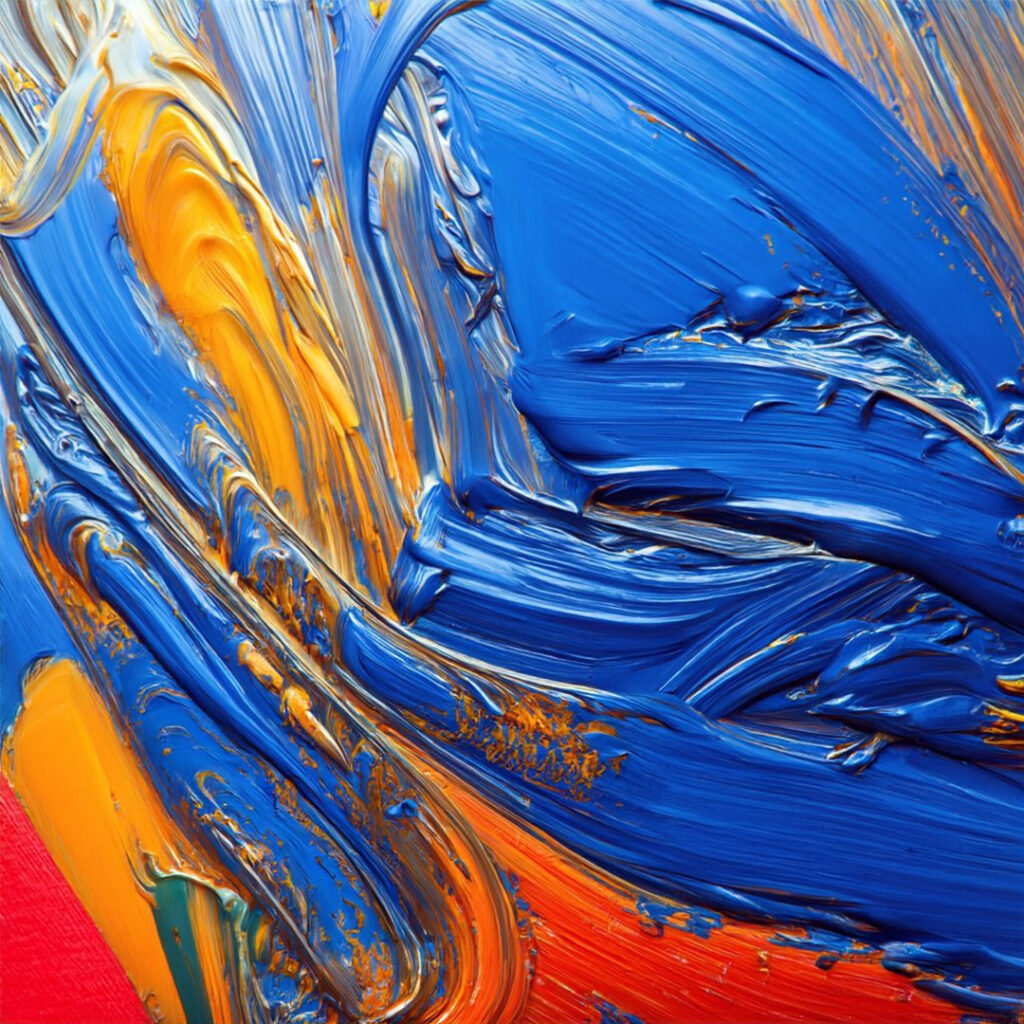
Acrylic
- Visual Identification: Even, opaque finish with vibrant colors and sharp edges.
- Tactile Identification: Dry surface with a slight rubbery feel.
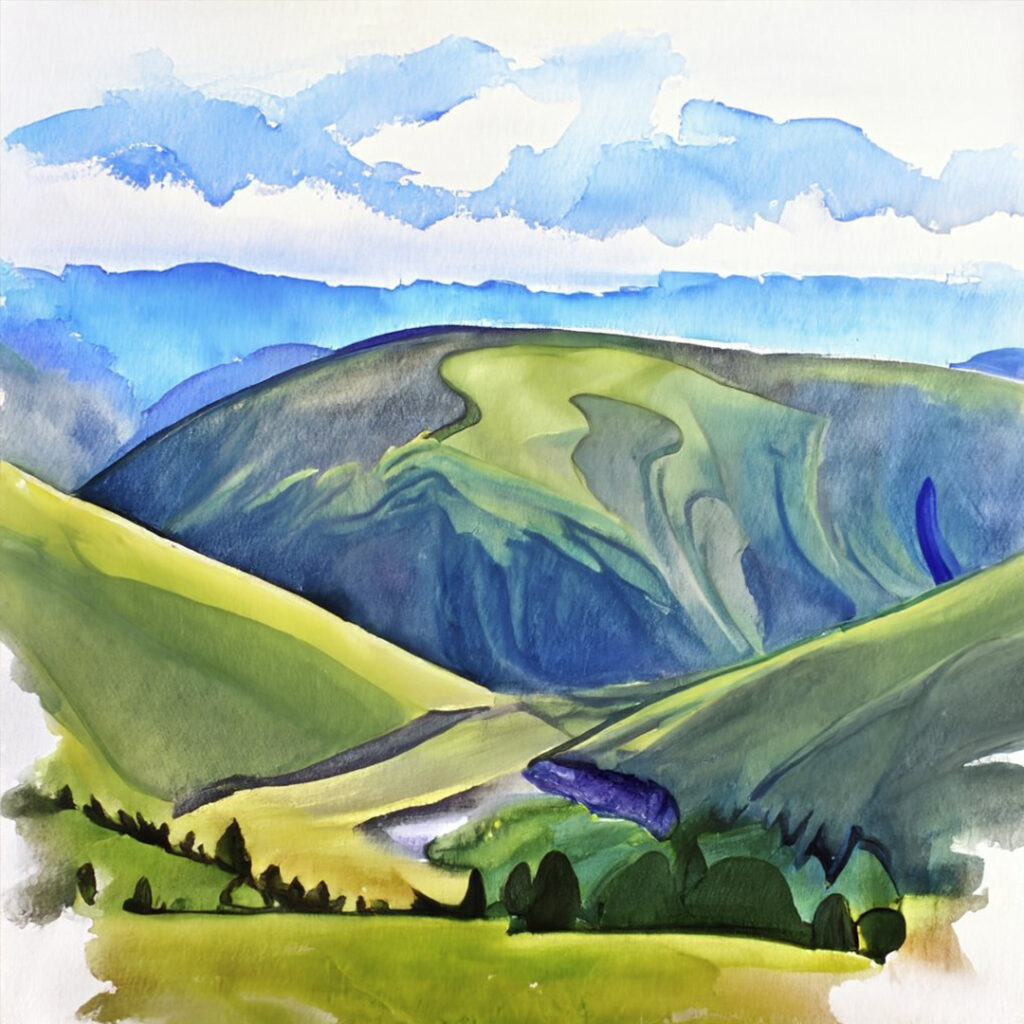
Watercolor
- Visual Identification: Transparent layers with delicate, flowing brushstrokes.
- Tactile Identification: Smooth, lightweight surface, often with a slight texture from the paper fibers.
Contemporary Painting Mediums
Spray Paint
- Visual Identification: Quick-drying, vibrant, and often gradient or blended colors.
- Tactile Identification: Slightly rough, uneven surface; may feel abrasive to touch.
Mixed Media
- Visual Identification: A mix of mediums generally having visual variances from texture, finish, or application technique.
- Tactile Identification: Layering, texture variances (ex. collage, encaustic, gritty/glossy/matte finish)
Digital Painting Software
- Visual Identification: Precise lines, flawless gradients, and the absence of visible brushstrokes
- Tactile Identification: No tactile experience
Importance of Painting Medium Knowledge
Understanding the diverse painting mediums used throughout history, from ancient encaustic to contemporary digital painting, provides an increased education when identifying the medium used. By incorporating both visual and tactile identification methods, we can not only gain insights into identification but also assist in the conservation of these precious works by knowing how to preserve them.
This article touches on the topic of the most common painting mediums throughout time. Many additional mediums have been used by artists and will be explored in detail in an upcoming article as well as the varied types of printmaking. You can visit a local art museum to see various types of painting mediums as well.
Authored by:
Kelly Knoll, ISA CAPP
President/CEO – Heritage Appraisals LLC. Learn more about Kelly and her background as an appraiser.